|
On Thursday, February 19th, L.E.A.D.
(Lincoln Economic Advancement and Development) and GPEDC (Greater
Peoria Economic Development Council) partnered to conduct a round
table discussion about economic conditions in Lincoln and Logan
County.
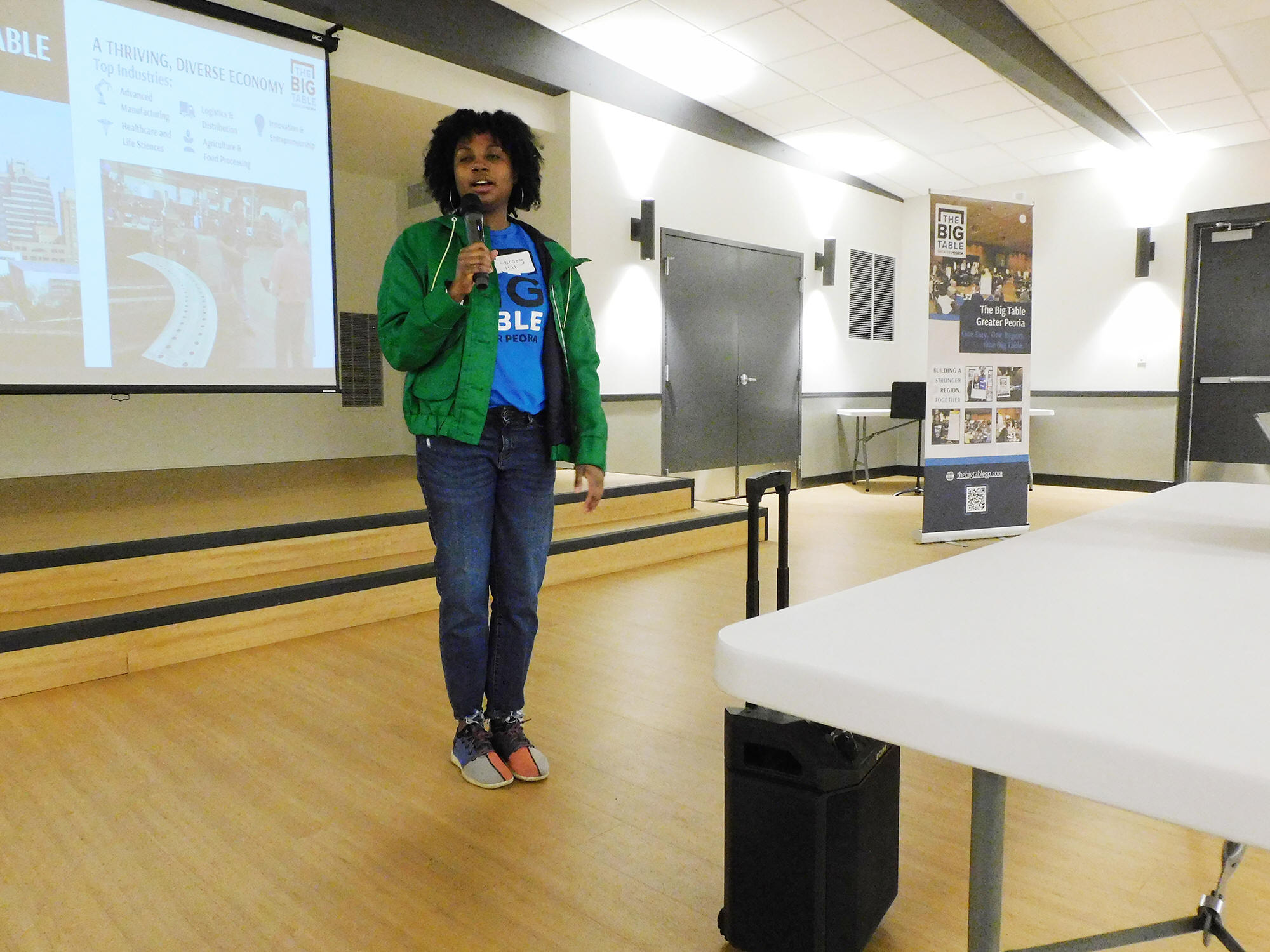
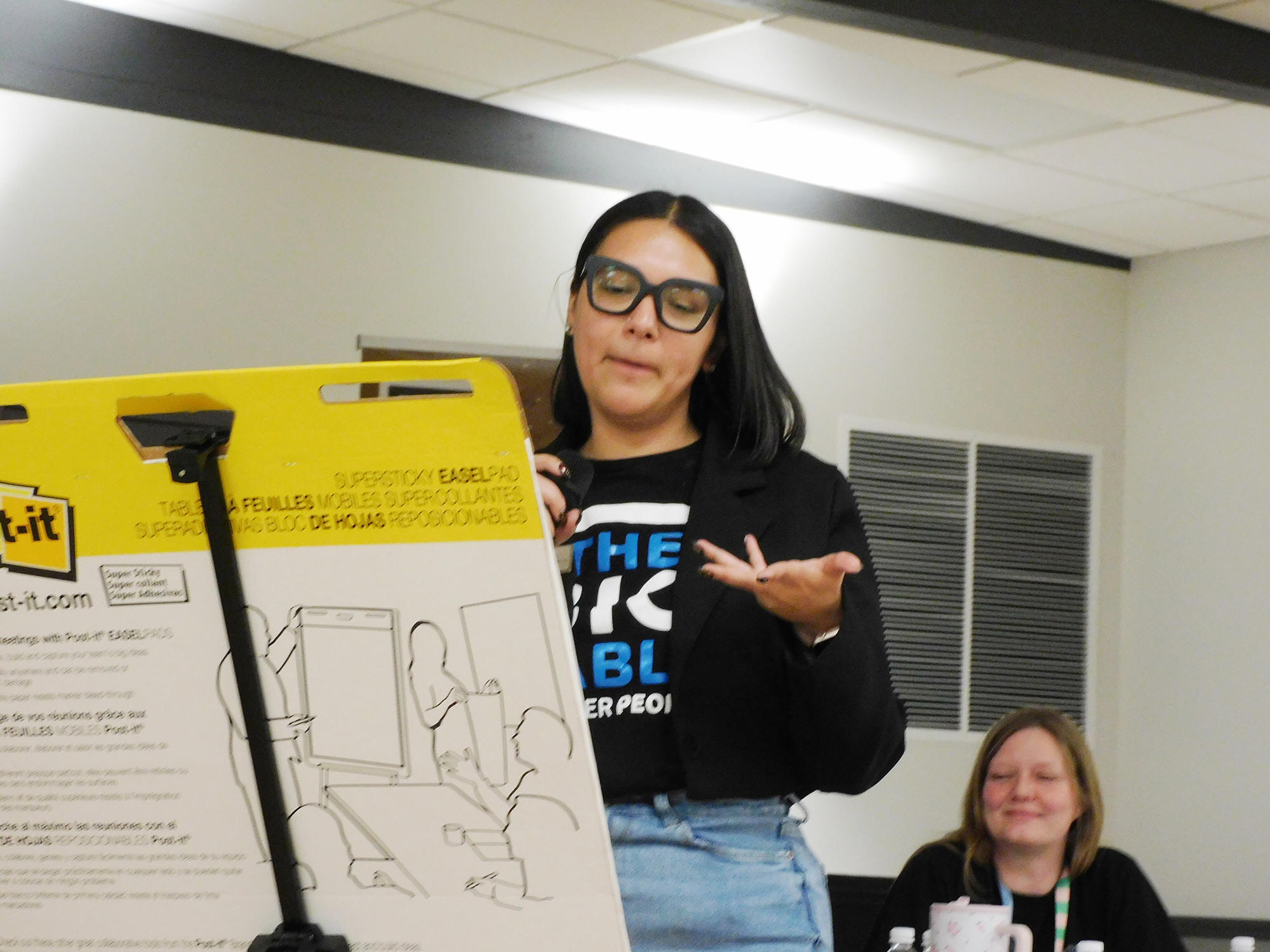
The meeting was led by the GPEDC with Darcy Hill serving as the
emcee and clock watcher for the evening. Hill is serving a
Fellowship awarded by the Economic Recovery Corps assigned to the
GPEDC. Hill has been focusing much of her time in Lincoln, working
with Andrea Runge of L.E.A.D. for well over a year.
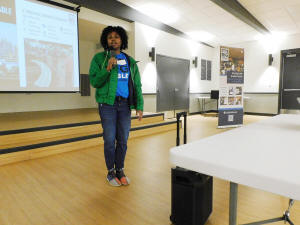
At the beginning of the three-hour
session Hill explained what the process of the evening would be. In
the room there were five tables, each having a
moderator/facilitator. As guests registered for the event, they were
assigned to two different tables. Each person would spend the first
hour at one table, then at the beginning of the second hour that
person would move to their second assigned table.
There were two primary topics with two subtopics under each. All
five of the tables would address the same topics and questions with
the moderator responsible for taking notes and making sure that the
conversations at the table remained on topic.
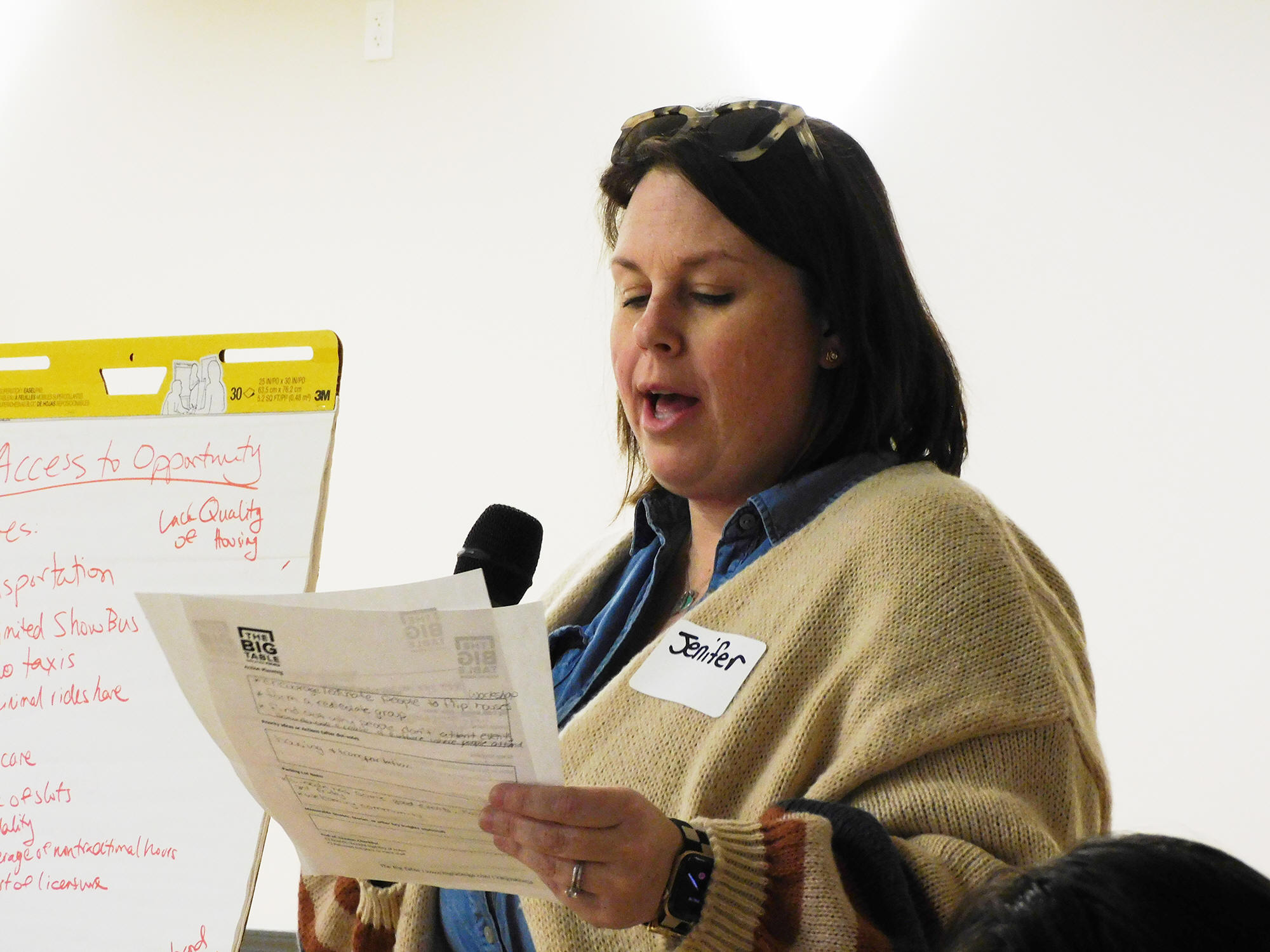
At the end of the first hour, the moderator or someone appointed at
the table would stand and deliver a report on the discussions that
were noteworthy at that table. This process was repeated during the
second hour as well.
Facilitator/Moderators included Community Action Partnership of
Central Illinois Executive Director Jennifer DeWeese, L.E.A.D.
Executive Director Andrea Runge, and from the GPEDC Director Chris
Setti, Kathy Brown and Cynthia Oliveros.
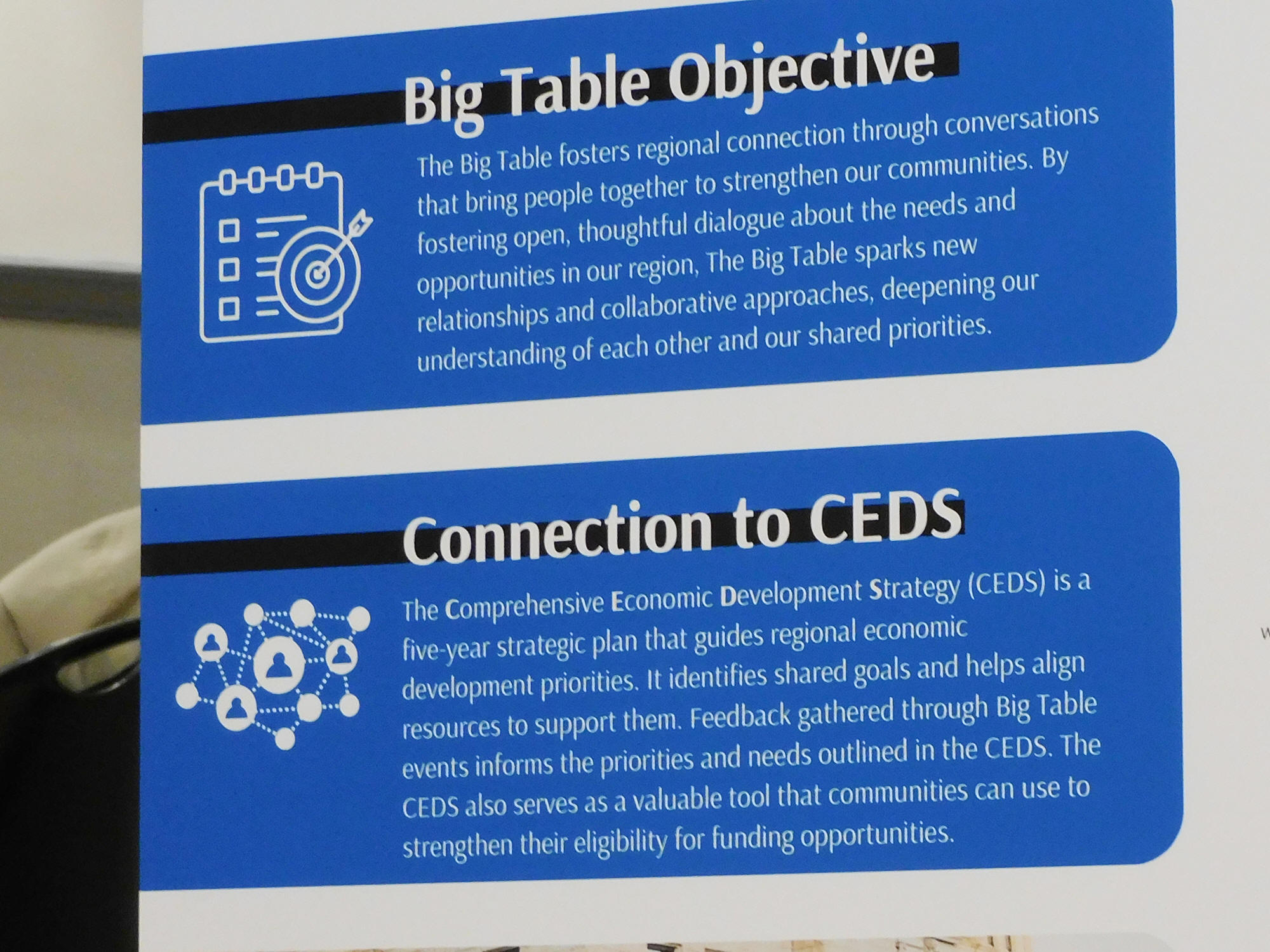
At the end of the evening, Hill explained that the notes taken by
the facilitator/moderator would be compiled and included in the
GPEDC’s CEDS (Comprehensive Economic Development Strategy) for the
five-county region the council represents.
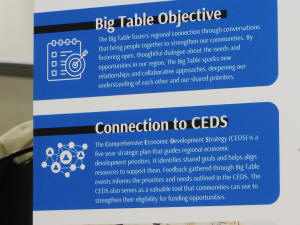
She said that the value of a CEDS
document includes having a quick reference when grants are made
available as to what communities could benefit from the grant. In
addition, filing a grant application having a CEDS plan factors into
the eligibility for grants and increases the odds of having that
grant awarded to the GPEDC.
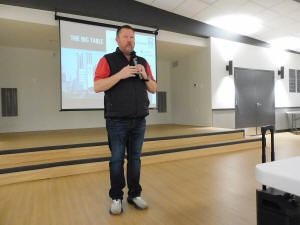
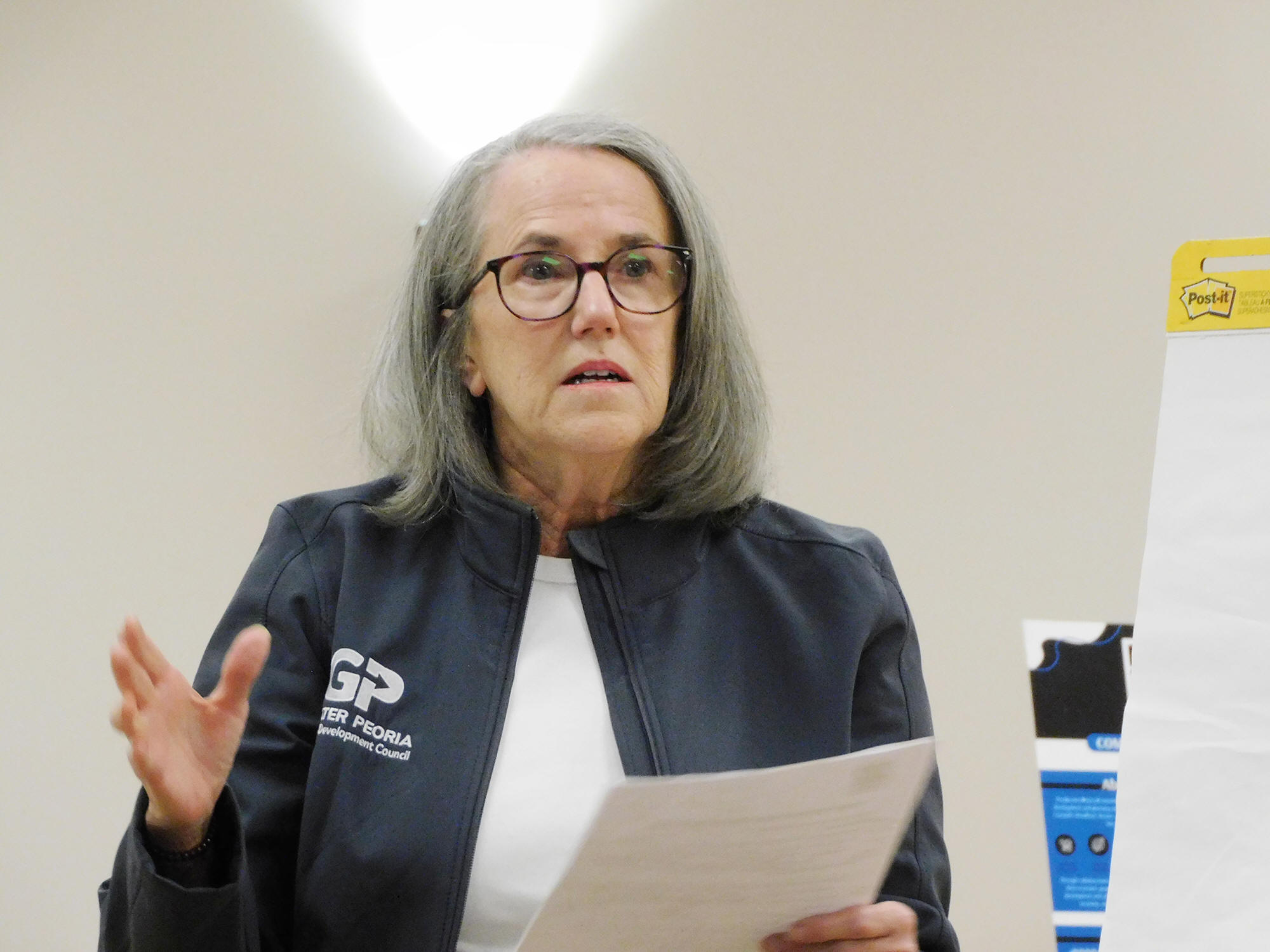
Before turning the evening over to
the individual work groups, Lincoln Mayor Tracy Welch and GPEDC
Director Chris Setti each addressed the group.

Welch said that this was his first
time participating in a Round Table with GPECD and he appreciated
the opportunities it presented. He expressed appreciation to the
GPEDC for their work and to the individual attendees at the evening
event for their interest in the community. He said that discussions
like what lay ahead helped to mold not just Lincoln but the
communities of Central Illinois. He said that he looked forward to
being “thought partners” with the others in attendance.
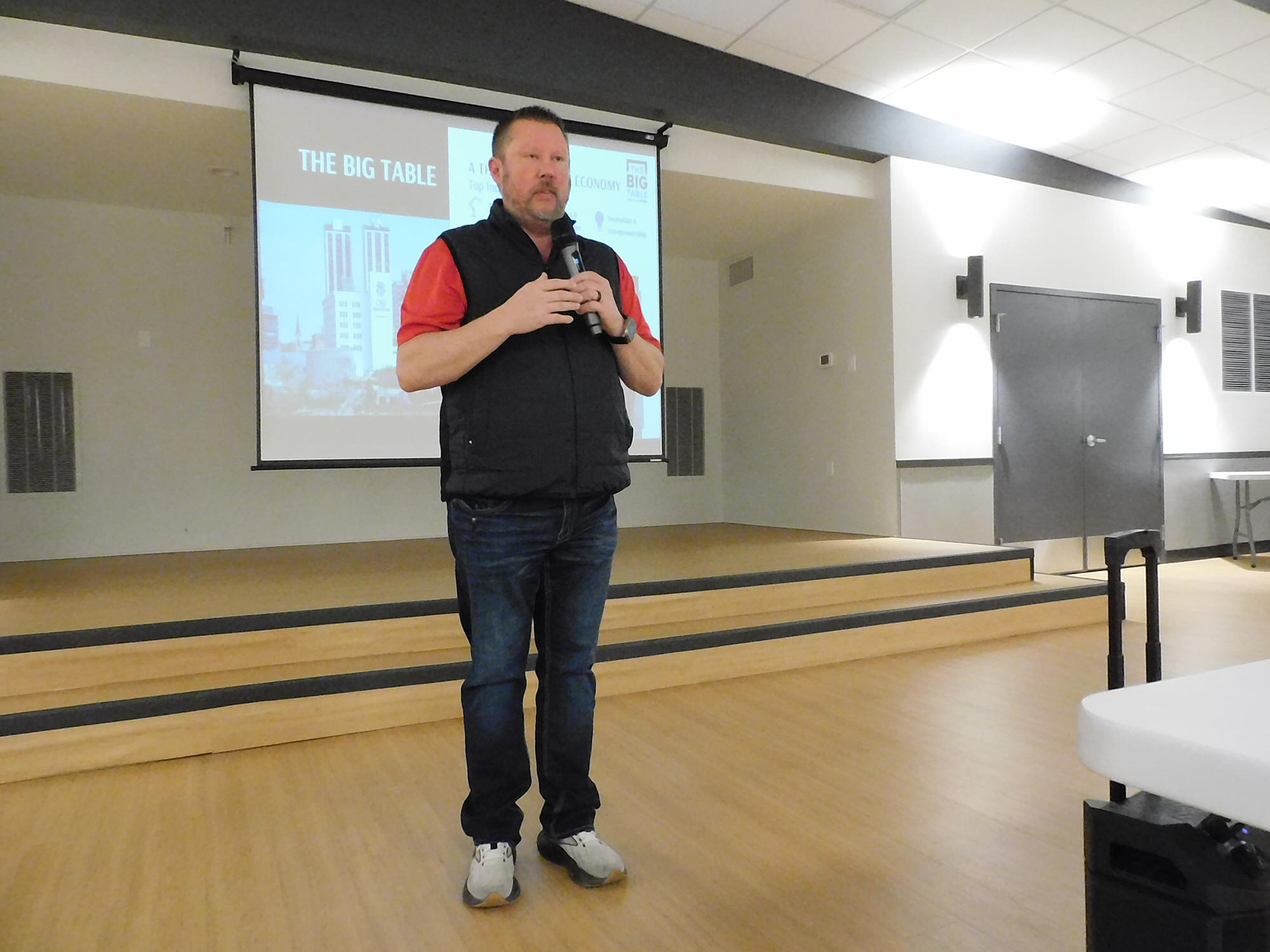
Setti spoke about the work of the GPEDC and the importance of having
a current strategic plan for the region via the CEDS. He also said
that there had been round tables in every community within the GPEDC
and explained their value. He told the group that GPEDC,
headquartered in Peoria, doesn’t have people in Lincoln on a daily
basis, therefore, getting input and direction from the Lincoln
citizens in highly valued.
The next hour was turned over to group discussions at the five
tables. The first hour was devoted to discussion on livability in
the community and economic opportunity for residents.
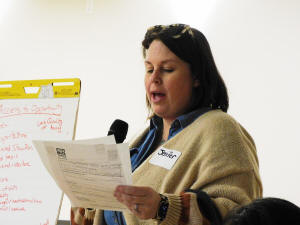
At the end of the hour, a spokesman for each table offered up a
short report on key points that were uncovered in the discussion.
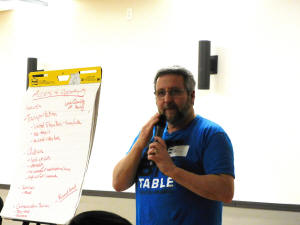
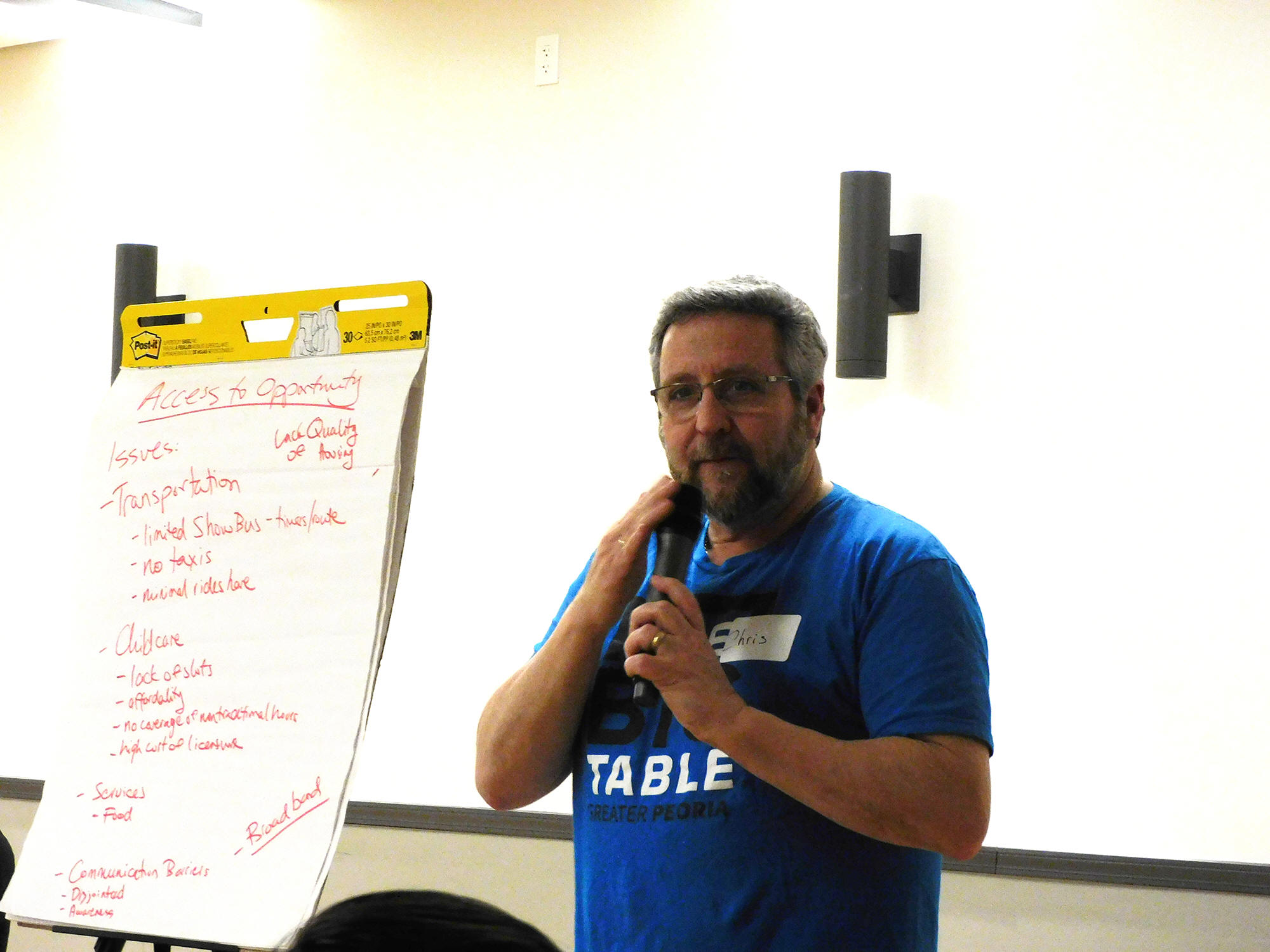
At all five tables, there were a
few common concerns, those of affordable housing, shortfalls in
public transportation, and concerns about the conditions of streets
and sidewalks in the city.
Some of the common barriers on these topics were the lack of funding
to do city-wide road and sidewalk improvements, the lack of taxi
services in town, the limited ability of services such as Show Bus
to provide a frequent bus stop schedule, and the lack of new housing
and refurbished housing in the community.
Another issue addressed by a couple of the tables was the ongoing
need for bike trails and safe bike lanes on city streets.
Solutions included seeking more funding for development projects
through grants. Another suggestion coming from the table Welch was
with was perhaps revamping the city ordinances for livery drives,
making it easier for taxi services to come into Lincoln and sustain
themselves.
Other issues touched upon included a lack of youth activities,
continuing to improve the city parks, and issues with health care.
Additional items coming from
individual tables included how to deal with complacency and the
general opposition to change with no real solution offered. Another
table spoke about the need for more home rehabilitation perhaps via
those who are into “flipping” properties. A question also came up
about whether there is a real estate association or group in Logan
County.
[to top of second column] |

In the second hour, the tables
discussed economic growth and business retention.
Again, many of the tables agreed on some of those key factors,
but there were also several individual contributions from the
tables.
Talk at the tables included taking advantage of youth programs
that enable students to understand the mechanics behind
business. There were noted conversations about the LLCEO
entrepreneurial program for high school juniors and seniors, and
the LTEC program for teaching trades. The loss of two local
colleges came into play, and there were discussions about seeing
Heartland Community College expand its offerings in Lincoln.
Some of the barriers that small businesses face today is
competition for employees. It was brought up that small
businesses cannot afford to offer benefits that larger
corporations can offer, such as health insurance and retirement
plans. With pay rates being high even in the fast-food industry
and even higher in skilled labor, small business owners must
work to sell their job opportunities based on environment and
are still losing out.
There was discussion about the availability of commercial space
in the community. It was agreed that there are several vacant
commercial spaces in Lincoln, but the issue is, many of them are
older buildings that were not designed for today’s need for
technology within the business. Spaces need to be rehabilitated
with better heating, cooling, and electrical. All this costs
money and makes it more difficult for property owners or
prospective purchasers.

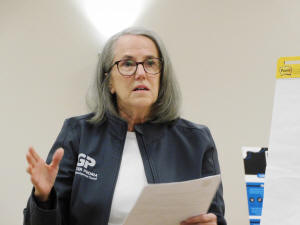
At least two tables also spoke
about the lack of “employable” people. It was noted at Setti’s table
that there are issues with employees understanding their
responsibility and commitment to their employers, like the need to
show up to work on time and be prepared to work.
Another table spoke about how
prospective employees are ill-prepared for the interview process.
There is a lack of understanding among applicants on how to present
themselves both physically and professionally when seeking
employment and after employment.
It was suggested that there needs to be ongoing opportunities for
training such as was offered late last year by Community Action
Partnership, Heartland College and L.E.A.D. The Everyday
Professional Skills program offered instruction on professional
conduct in the workplace and everyday skills such as communication,
to name two.
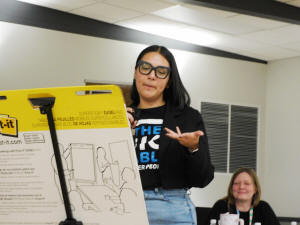
At Olivia Oliveros’ table there was
discussion about youth programs and the table talked about the
success of a youth program in Clinton called the Vault. It was
suggested that perhaps someone in Lincoln could start such a program
here.
All around the room there was one common concern for every challenge
the community faces and that was money. Whether it was talk about
streets that need to be repaired using city dollars to invest in
improved housing, new or expanding businesses, or even hiring
employees, the common concern is being able to come up with the
money needed to follow through with goals.
Other topics that came up included the need for job shadowing and
mentorships for youth, a desire to see Show Bus add more buses and
more frequent bus stops in the community, a need for an affordable
solution for health insurance plans for small businesses.
There was also discussion about TIF districts and their value, the
number of commercial businesses that actually are being rehabbed,
and the need to attract new businesses into the community.
It was shared that the Illinois Housing Development Authority is
getting ready to kick off with city approval, a city-wide survey of
housing conditions.
There was also talk about childcare services in the community and
the cost. It was noted that District 27 has recently opened a
childcare program specifically for its teachers. The program offers
affordable access to daycare for teachers and charges by the days
school is in session. For example, parents are not charged for
school holidays or days off for other reasons. This is an asset
because at typical daycares parents pay for the day whether the
child is there or not. Consequently, to keep the child in daycare,
teachers are paying for days when they are actually off work and
care for their children at home.

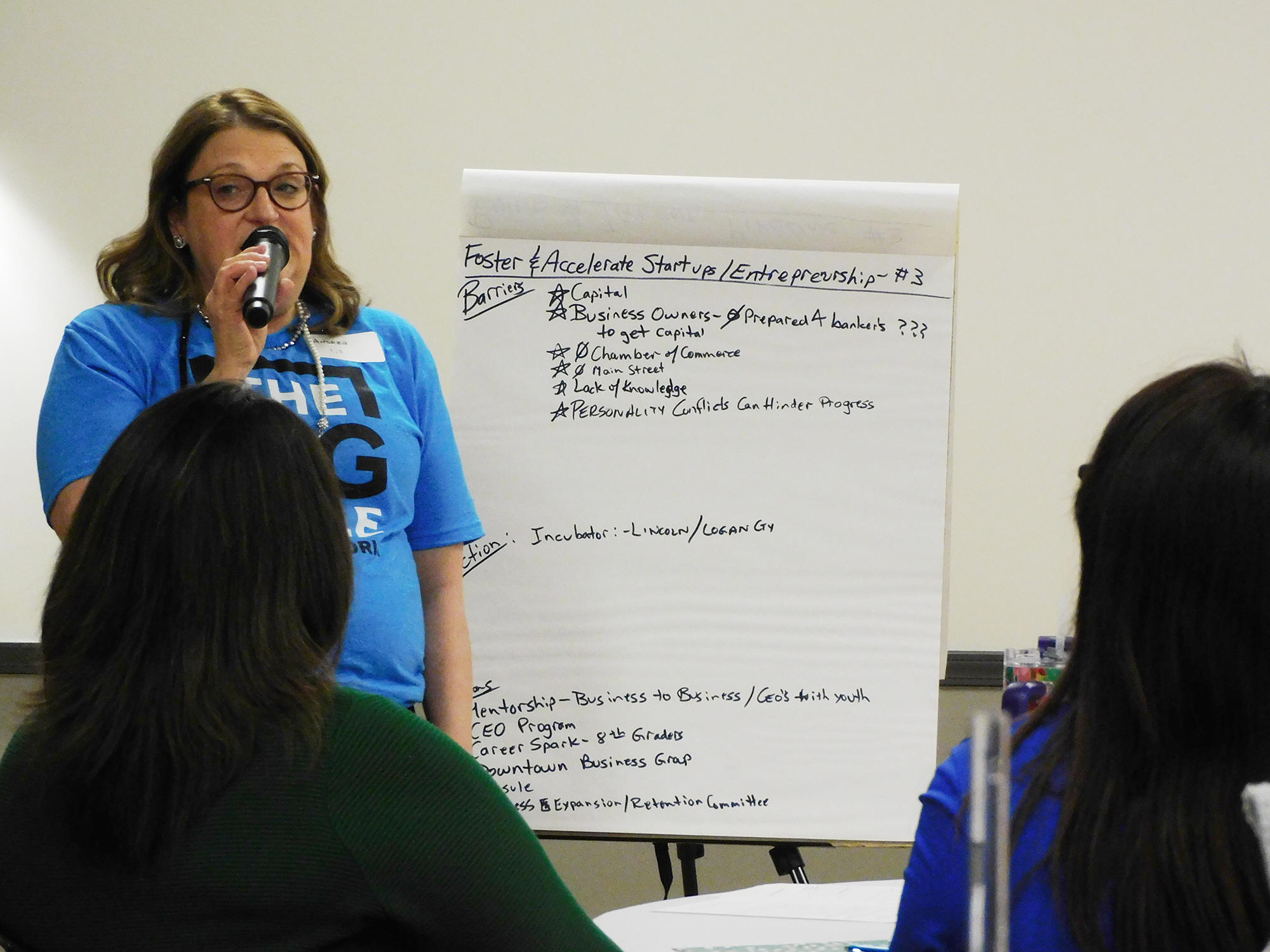
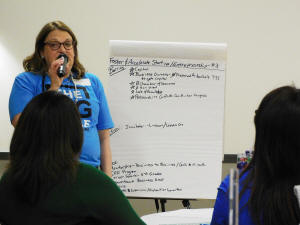
Business incubator programs were
discussed at some of the tables with information shared that Lincoln
is working on an incubator program to be housed at the recently
purchased Heartland Bank building on Broadway Street in Lincoln.
The fact that Lincoln and Logan
County no longer have a Chamber of Commerce came into play as a
barrier that hinders outside sources from knowing what the
opportunities are locally.
At the end of the second hour, all the topics were once again
presented to the whole group.
The event concluded slightly after 6 p.m. after more than three
hours of brainstorming.
The GPEDC will now compile the new CEDS program with future reports
of the final outcome to be expected.
[Nila Smith] |