|
Blackhawks Big Bluestem Adds Bold Color and Interest to the
Landscape
By Melinda Myers
[February 21, 2026]
No matter your garden style you are likely to find a place for this
year’s Perennial Plant of the Year, Blackhawks big bluestem (Andropogon
gerardii ‘Blackhawks’). You’ll enjoy the beauty it adds to your
gardens and low maintenance it requires to thrive.
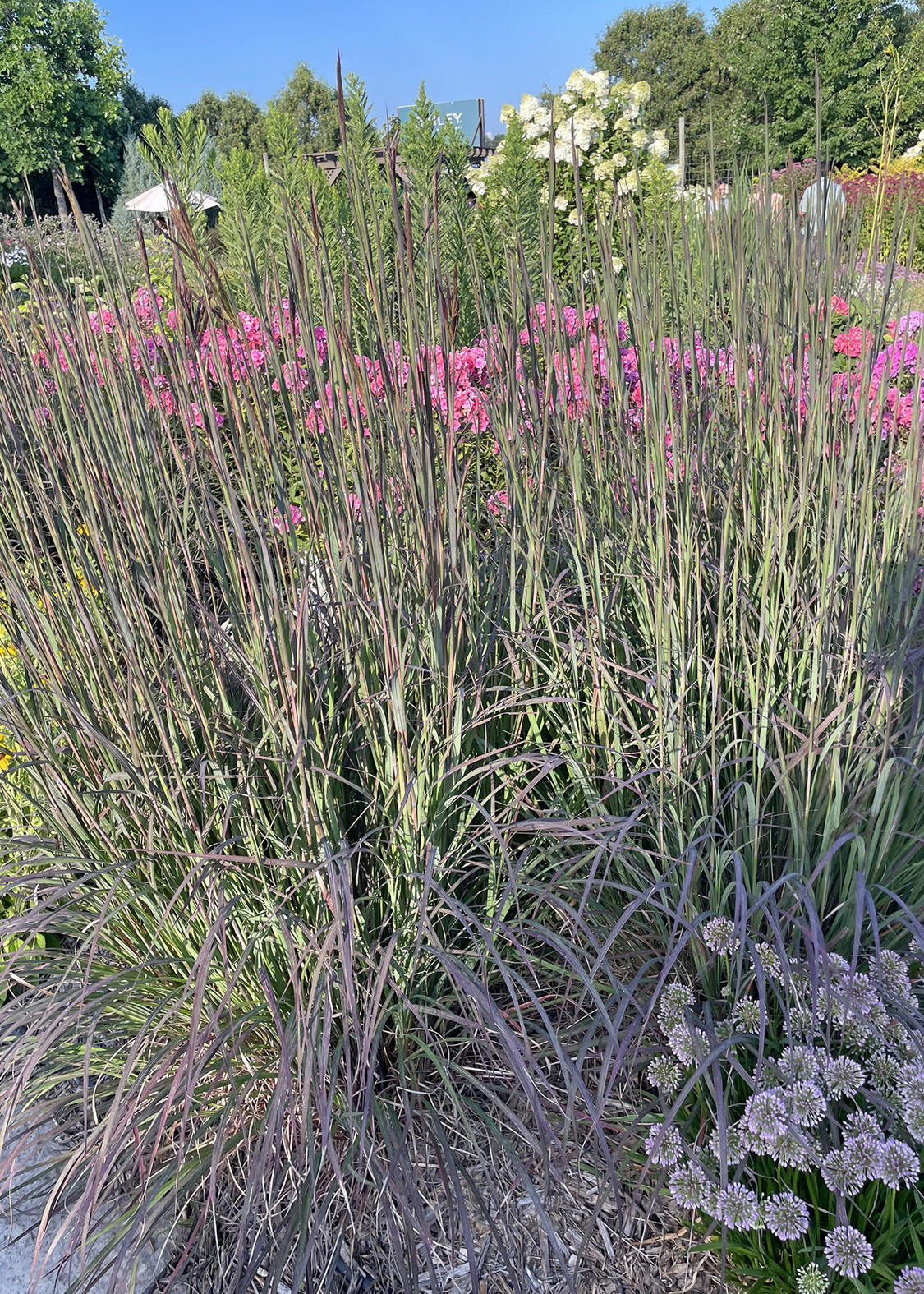
This cultivar of our native big bluestem provides vertical interest,
motion and bold color to the landscape. Its leaves start out dark
green and develop reddish-purple tips throughout the growing season.
Flowers appear in August and by September the leaves and stems of
the plant turn a deep purple hue. |
Hardy in zones 3 to 9, it prefers full
sun and adapts to a wide range of soil but may flop in fertile,
moist conditions. Once established, it is drought tolerant. Make
sure it receives needed moisture and proper care for the first two
years while developing its robust, more drought-tolerant root
system.
In addition to drought tolerance, Blackhawks big bluestem has no
major pests or disease problems. Just cut it back to the ground in
late winter before new growth begins. Its overall excellent
performance made it one of the top-rated ornamental grasses in the
Chicago Botanic Garden’s Evaluation Study of Hardy Ornamental
Grasses.
Big bluestem was the dominant grass of the prairies and largely
responsible for the formation of prairie sod. This drought-tolerant
grass is a host plant for many skippers and provides shelter and
food for songbirds. It grows 5 to 8 feet tall and reseeds readily,
making it hard for many home gardeners to include in their
landscape.
It is smaller in size than the big bluestem species, just 5 feet
tall and 24 inches wide, making it more suitable for home
landscapes. Use it as a screen, backdrop in garden beds or as part
of mixed borders. It combines nicely with other perennials, like
Zagreb threadleaf coreopsis, calamint, liatris, Rudbeckia, sedum,
asters and more.

[to top of second column] |

Blackhawks big bluestem, like other
Perennial Plants of the Year, was selected for its low maintenance,
pest and disease resistance and ability to thrive in a wide range of
climates. It joins past winners like little bluestem, butterfly
weed, Millenium allium, American Goldrush Rudbeckia and Amsonia
hubrichtii. These winners are selected by Perennial Plant
Association members, which include hundreds of horticulture experts
like landscapers, designers, professors, plant breeders, growers,
retailers and public garden curators. You can find out more about
this nonprofit program and past Perennial Plants of the Year at
https://perennialplantoftheyear.com.
Look for opportunities to include this year’s Perennial Plant of the
Year in your gardens. You’ll enjoy its beauty and the benefits it
provides whether your gardens are informal, naturalistic or a
cottage-style.
Melinda Myers has written more than 20 gardening books,
including the Midwest Gardener’s Handbook, 2nd Edition and Small
Space Gardening. She hosts The Great Courses “How to Grow Anything”
instant video and DVD series and the nationally syndicated Melinda’s
Garden Moment TV & radio program. Myers is a columnist and
contributing editor for Birds & Blooms magazine and was commissioned
by Summit for her expertise to write this article. Myers’ website is www.MelindaMyers.com.
[Photo courtesy of MelindaMyers.com]
|